
-
A small order can be a large lesson
-
Why the Leviton switch outlet combo wiring diagram is a buyer’s tool
-
Don’t pick a transfer switch manufacturer at the last minute
-
Switchgear wholesale pricing is meaningless without engineering review
-
What to look for in a protector supplier
-
Is this overkill for a basic Leviton switch?
Here’s the thing I wish someone had told me years ago: The most expensive Leviton switch I ever bought wasn’t expensive at all. It was priced to look like an easy “yes.”
By the time we paid return shipping, paid for a second electrical visit, and lost a day of work, that “easy yes” cost us more than the premium product would have cost in the first place. And none of it was the product’s fault. It was my fault for skipping the verification step.
I now keep a plain-language rule around our office: Five minutes of verification beats five days of correction. It sounds like a fortune cookie, but it is the reason I no longer approve purchase orders for electrical devices until I have seen a spec sheet, a cut sheet, or a wiring diagram.
A small order can be a large lesson
Last spring we were refreshing two break rooms in a facility I support. The drawing specified a Leviton switch and tamper resistant outlet combination unit in commercial spec grade. I did the thing buyers do when they think they know a product: I ordered from memory and compared quotes mostly on price. The quote I accepted was about $90 lower than the next bid. The product that arrived was a perfectly good Leviton SKU—just not the one on the drawing. Same face style, same color, different internal specification.
The electrical contractor caught it before installation because he reads labels. I didn’t. Then the math got ugly: one restocking conversation, one return shipping label, one rush replacement order, and one second trip billed at the contractor’s two-hour minimum. The $90 “savings” became a $900 mistake before anyone turned a screwdriver. Nobody was hurt and the job was only delayed, so I count myself lucky. But it was a preventable delay.
Why the Leviton switch outlet combo wiring diagram is a buyer’s tool
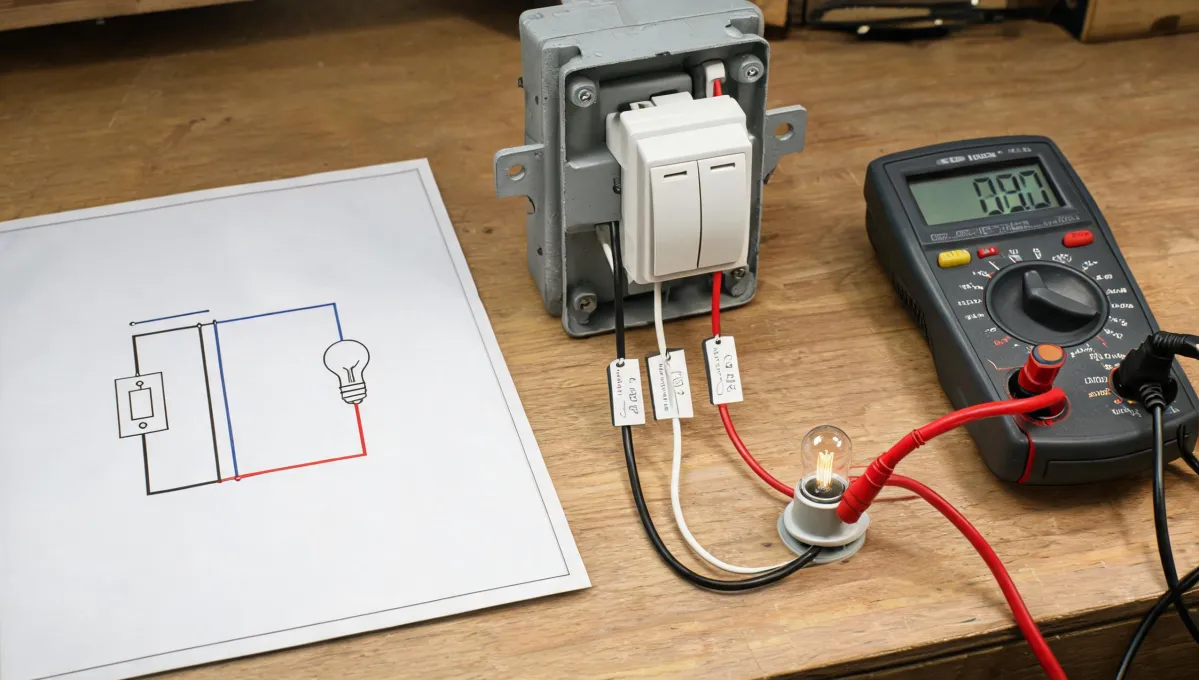
A combination switch and outlet product is not just a switch with an extra hole. It has a wiring configuration. That is why the search phrase Leviton switch outlet combo wiring diagram is valuable beyond installers. It helps buyers see what is inside the box before asking for a quote. I now ask our supply house for the Leviton switch outlet combo wiring diagram for any new SKU. If they have it, they can usually help me confirm the product matches the drawing. If they can’t produce it, I slow down.
This is not about knowing how to wire the device. It’s about knowing who needs those instructions and why. NEC 110.3(B) says listed equipment must be installed in accordance with its instructions. If I, as the person ordering, can’t provide those instructions to the electrician, I have created a compliance problem before I ever created an order. The diagram answers the basic question before you spend money: is this model actually made for this installation?
Don’t pick a transfer switch manufacturer at the last minute
The same discipline applies to bigger equipment. We recently added a standby generator to one of our buildings. The transfer switch looked like a small line item compared to the generator, but it is the device that keeps the generator from feeding a dead utility line. That is not an accessory decision.
When I sat down to evaluate bids, the first one did not name a transfer switch manufacturer at all. It listed “transfer switch” with a blank line. I asked for the manufacturer, model number, ampere rating, voltage rating, and installation instructions. The vendor emailed back saying they would “figure it out” later. I removed that bid from the evaluation that afternoon. If a transfer switch manufacturer does not provide technical documentation for a specific model, there is nothing for our engineer or electrician to review. The quote is not a solution; it’s a promise to solve it later.
Switchgear wholesale pricing is meaningless without engineering review
When I hear the phrase switchgear wholesale, I now translate it to larger quantities, not fewer requirements. It is tempting to search for switchgear wholesale and compare prices per line item, but that only works after the engineering details are nailed down. A good switchgear quote should reference a single-line diagram and include a manufacturer’s submittal. It should cover short-circuit current rating, voltage class, bus arrangement, overcurrent devices, enclosure type, and other items I do not decide alone.
If a supplier quotes switchgear wholesale before asking about the project’s electrical drawings, I don’t trust the number. I ask them to start over with the spec package. That extra conversation might feel slow, but it is much cheaper than receiving the wrong gear on a job that has to keep moving.
What to look for in a protector supplier
People often ask me what to look for in a protector supplier. A few years ago I would have said price and response time. Now I recognize that a protector is a safety device, and a safety device is only useful if it is specified correctly.
So my short answer is:
- Ask for the UL standard number and the manufacturer’s UL file. For surge protection, that usually means UL 1449. If the supplier can’t share the file number, move on.
- Ask for instructions. Does the supplier’s documentation explain where the device should be installed and how it should be connected? If they sell only a black box with no manual, that is a warning sign.
- Notice whether they ask questions about your system. A good protector supplier will ask about incoming voltage, panel type, grounding, and application. If they ask nothing and simply tell you it will protect everything, they are moving product, not engineering protection.
- Ask what happens after a big surge. What is the failure indicator? What is the warranty process? A protector can take damage and keep connected equipment alive, but the buyer should know how to tell whether it still offers protection.
Some suppliers make this easy. One vendor we worked with sent a questionnaire before quoting. I was annoyed at the time, but that questionnaire forced me to pull our electrical drawings. That was exactly the kind of prevention I should have been practicing all along.
Is this overkill for a basic Leviton switch?
Maybe. If you are a licensed electrician who knows you need one standard single-pole switch, then a five-minute documentation check is overkill. But I am not a licensed electrician. I am the person who signs the purchase order, and our team supports more than 400 employees across three locations. For that scale, one wrong device is rarely one wrong device. It is one wrong device times the number of boxes in the order, plus one change order, plus one schedule delay.
I am not asking for every order to require an engineer’s stamp. I am asking for the same basic step that any careful installer takes: read what the product is before putting it into the building. The buyer’s version of that step is to request the spec sheet and the diagram before approving the PO.
Here’s my closing opinion: the most expensive thing in electrical procurement is not high-end equipment. It is the wrong equipment that gets delivered before anyone notices. Price only matters after the right product has been identified. So next time you are searching for a Leviton switch or comparing a switchgear wholesale quote, do the boring part first. Check the SKU. Open the diagram. Ask for the listing. Then compare prices. The page you read might save you from the correction I had to pay for.